
In today’s world, whether it is a home or an office, no work can be completed without electricity. We use lights, fans, computers, refrigerators, printers, air conditioners, chargers, and many other devices every day. However, as important as electricity is, it is equally important to use it carefully. Even a small amount of negligence can lead to fire, electric shock, or major financial loss. Therefore, following electrical safety practices at home and in the office is extremely essential.
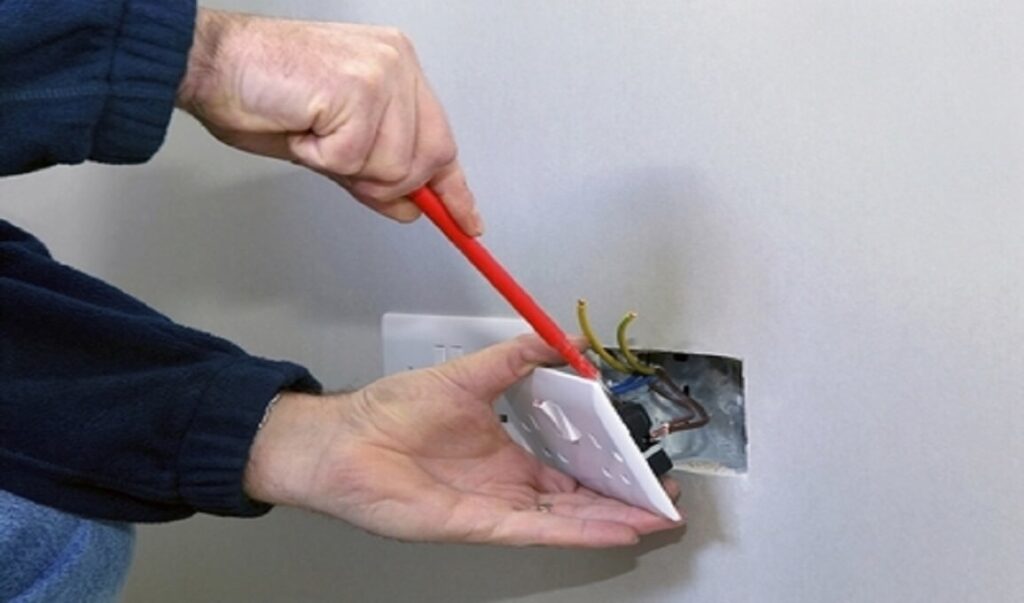
Essential Precautions and Measures to Prevent Electrical Accidents
- Repair faulty wiring immediately
Do not ignore broken wires, loose connections, sparking, or a burning smell anywhere. Such issues can lead to major accidents. Get them inspected by an expert on time.
- Avoid overloading
Connecting multiple devices to a single socket puts extra load on the circuit. This can cause wires to overheat, trip the MCB, or even increase the risk of fire. High-power appliances such as heaters, microwaves, air conditioners, and irons should ideally be used on separate points.
- Use quality equipment and materials
Using cheap and low-quality plugs, wires, extension boards, or switches increases the risk of electrical hazards. Always use good-quality and certified electrical products. This is better for safety and also ensures long-term durability.
- Do not touch switches or electrical appliances with wet hands
Water and electricity are a very dangerous combination. Avoid switching appliances on or off, or plugging and unplugging devices with wet hands. This precaution is especially important in kitchens, bathrooms, or areas near water.
- Take care of children’s safety
If there are small children at home, install safety covers on open sockets. Pulling wires, touching plugs, or playing with electrical appliances can cause accidents. Teach children to maintain a safe distance from electrical sources.
- Turn off appliances when not in use
If mobile chargers, computers, printers, TVs, or other devices are not in use, switch them off and unplug them whenever possible. This helps save electricity and reduces the risk of short circuits.
- Use extension boards carefully
Extension boards are commonly used in offices for computers, printers, and other devices. However, avoid putting too much load on a single board. Using low-quality extension boards can be even more dangerous.
- Carry out regular electrical inspections
It is very important to inspect the electrical system in your home and office from time to time. If there is old wiring, a faulty MCB, earthing issues, or loose connections, get them repaired immediately. This helps prevent major damage in the future.
- Ensure proper earthing and MCB setup
If the earthing is not proper, the risk of electric shock increases. It is also very important that the MCB and other safety systems function correctly. Both of these are essential parts of electrical safety.
Conclusion
Following electrical safety practices at home and in the office is not just a precaution, but an essential responsibility. Proper wiring, quality materials, regular inspections, and expert assistance can help prevent many accidents. A little awareness and timely repairs can go a long way in keeping your family, employees, and property safe.